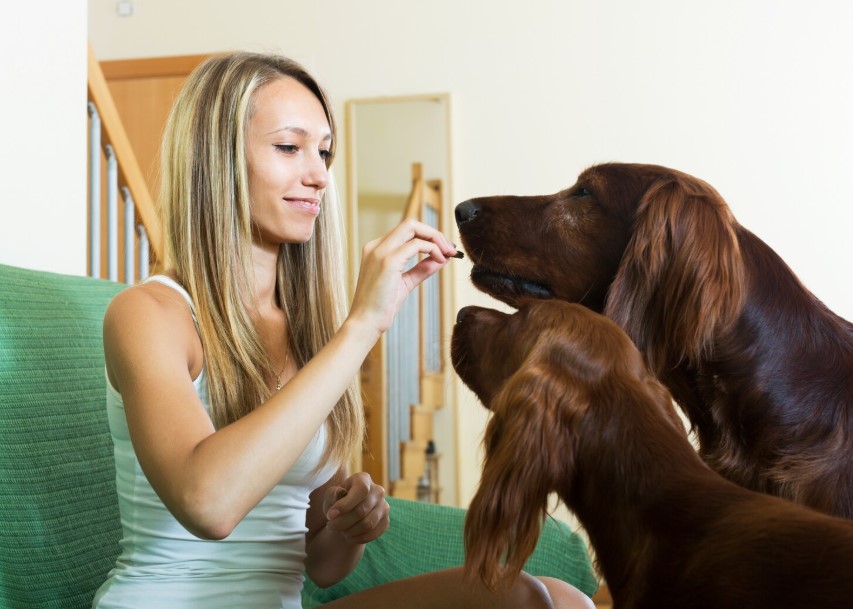
Some treats disappear with one quick bite. Others leave your dog chewing while the training moment passes. That difference matters more than many pet parents realize.
Soft dog treats are moist, easy to break, and quick to eat. Their texture makes them useful for training, senior dogs, puppies, small breeds, and dogs that struggle with hard biscuits. However, softness alone does not make a treat healthy. Calories, ingredients, portion size, storage, and your dog’s medical needs still matter.
At a Glance: Soft dog treats work best for training, dogs with sensitive teeth, senior pets, puppies, and small breeds. Choose bite-sized products with clear calorie information and ingredients your dog tolerates. Break treats into smaller pieces during training, keep extras below about 10% of daily calories, and store moist products carefully after opening.
What Are Soft Dog Treats?
Soft treats for dogs contain more moisture and have a tender, flexible texture compared with crunchy biscuits. Depending on the recipe, they may feel chewy, meaty, dough-like, or slightly moist.
Common forms include:
- Small training bites
- Soft meat strips
- Jerky-style pieces
- Tender sticks
- Mini chewy treats
- Soft-baked cookies
- Pill-hiding treats
Many products can be torn by hand, allowing one treat to become several smaller rewards. This makes them especially practical when a dog needs repeated reinforcement during training.
Soft treats are not the same as canned dog food. They are snacks and are usually not designed to provide complete daily nutrition. The FDA explains that complete and balanced pet food must meet defined nutritional requirements, while treats and snacks do not usually serve as a dog’s main diet.
Benefits of Soft Dog Treats
They Keep Training Moving
Timing is one of the most important parts of reward-based training. A dog must receive the reward soon after performing the correct behavior.
Hard biscuits can slow down a session because the dog needs time to crunch and swallow them. Small soft dog treats can be eaten almost instantly, helping the dog return attention to the trainer.
They work well for teaching:
- Sit and down
- Stay
- Recall
- Leave it
- Loose-leash walking
- Crate entry
- Calm greetings
- Eye contact
A treat should be small enough to reward the dog without turning every correct response into a meal.
They Are Easy to Divide
One of the biggest advantages of soft treats for dogs is portion control. A single soft piece can often be split into three or four rewards.
Dogs usually respond to receiving a reward, not to the physical size of that reward. A tiny piece can still reinforce behavior effectively, especially when the treat smells appealing.
Breaking treats into smaller pieces allows more training repetitions while helping control calories.
They May Be Easier on Sensitive Teeth
Hard biscuits may be uncomfortable for dogs with missing teeth, worn teeth, dental disease, or sore gums. Senior dogs may also find dense crunchy treats difficult to manage.
A tender treat may be easier to chew, but it should not replace a veterinary dental assessment. Bad breath, dropping food, chewing on one side, facial swelling, or refusing hard food can signal oral pain.
The safest option for a dog with known dental problems is a treat texture approved by the dog’s veterinarian.
They Work Well for Puppies and Small Dogs
Puppies and small breeds need treats that match the size of their mouths. Large or hard pieces may take too long to eat and can create a choking risk when swallowed quickly.
Choose tiny, soft pieces and supervise your dog while feeding them. Even a soft product should be divided when the original piece is too large.
They Can Help With Medication
Some soft treats can be shaped around a tablet or capsule. This may make medication less stressful for dogs that resist pills.
However, not every medicine can be crushed, split, or given with food. Some medications also have specific timing instructions. Check with your veterinarian before changing how a prescribed drug is administered.
Soft Treat Types Compared
|
Type |
Best Use |
Main Advantage |
Watch For |
| Mini training bites | Repeated obedience practice | Small and quick to eat | Calories can add up |
| Soft meat strips | Recall and outdoor training | Strong smell and high value | May require refrigeration |
| Soft-baked treats | Everyday rewards | Tender but less messy | Pieces may be too large |
| Jerky-style treats | Occasional high-value rewards | Easy to tear into strips | Some are high in calories or sodium |
| Pill-hiding treats | Giving medication | Moldable texture | Extra calories with daily medicine |
| Homemade cooked meat | Difficult training situations | Highly motivating | Requires safe cooking and storage |
The best choice depends on the dog’s size, health, preferences, and the purpose of the reward.
Ingredients to Look For
Start with ingredients your dog already tolerates. A trendy ingredient is not useful if it causes itching or digestive upset.
Common ingredients in soft dog treats include:
- Chicken
- Turkey
- Beef
- Lamb
- Salmon
- Whitefish
- Liver
- Pumpkin
- Sweet potato
- Oats
- Carrots
- Apples
- Blueberries
Products such as Fruitables dog treats are available in multiple types and textures. The brand’s official product information includes options promoted for training and varieties made with ingredients such as pumpkin and sweet potato. Check the exact package because not every product in one brand’s range has the same texture, calories, or feeding purpose.
A short ingredient list may be helpful for a dog with known sensitivities, but it does not automatically make a treat nutritionally better. The full recipe, calories, fat level, serving size, and the dog’s individual response matter more.
When shopping online for Chewy dog treats or buying from another pet retailer, read the current package details instead of relying only on the product title. Recipes, package sizes, and calorie values can change.
How to Read a Soft Treat Label
Check Calories Per Treat
Calorie content is one of the most useful details on the package.
Veterinary guidance commonly recommends that about 90% of a dog’s calories come from complete and balanced food, leaving no more than about 10% for treats and other extras.
Suppose a dog needs 600 calories per day. Under the 10% guideline, treats should provide no more than about 60 calories.
If one soft treat contains six calories, ten whole treats would reach that allowance. Dividing each treat into four pieces creates 40 training rewards from the same total calories.
Remember to include:
- Training treats
- Dental chews
- Table scraps
- Food in puzzle toys
- Pill-hiding treats
- Snacks given by family members
Review the Guaranteed Analysis
The guaranteed analysis lists minimum crude protein and fat, plus maximum fiber and moisture.
Dogs with pancreatitis or a history of digestive problems may need lower-fat treats. Dogs with kidney, urinary, liver, or other medical conditions may also require carefully selected snacks.
Do not choose a medical-diet treat based only on the front label. Ask your veterinarian whether it fits the dog’s treatment plan.
Look at Feeding Instructions
The suggested serving size is not a target your dog must receive. It is usually a maximum recommendation based on weight.
A small dog may need only part of one treat. Dogs receiving many rewards during training should get much smaller pieces than dogs receiving one occasional snack.
Best Uses for Soft Dog Treats
Everyday Training
Soft dog treats are ideal when you need to reward several correct responses quickly.
Keep pieces pea-sized or smaller. Ask for the behavior, mark it with “yes” or a clicker, and then reach for the treat. Keeping food hidden until after the behavior prevents the dog from responding only when a snack is visible.
Recall Practice
Recall often requires a higher-value reward because the dog must leave an interesting activity and return to the owner.
Use a soft, strong-smelling treat that your dog does not receive during ordinary indoor practice. Reward with several tiny pieces one at a time when the dog returns.
This makes coming back feel more rewarding without giving one oversized treat.
Grooming and Handling
Soft treats can help build positive associations with brushing, nail handling, ear checks, and other routine care.
For example, touch one paw briefly, mark calm behavior, and provide a small reward. Repeat in short sessions rather than holding the paw until the dog becomes uncomfortable.
Treats should support gradual training, not distract a frightened dog while forcing the procedure.
Senior Dog Rewards
Senior dogs may benefit from tender treats that are easier to chew. Choose smaller portions because older, less active dogs may require fewer daily calories.
Watch for weight gain, changes in appetite, difficulty chewing, or digestive problems. These signs deserve veterinary attention rather than repeated food changes.
Enrichment Toys
Soft treats can be placed inside certain puzzle toys or spread into grooves, depending on the product’s texture.
Count enrichment food as part of the daily treat allowance. A puzzle filled with treats may contain far more calories than it appears to.
Soft Treats and Weight Management
Soft does not mean low-calorie. Some tender meat treats are calorie-dense because they contain concentrated fat or protein ingredients.
VCA notes that lower-calorie treats can allow owners to offer more individual rewards while staying within the dog’s daily calorie allowance.
Try these practical strategies:
- Buy mini-sized treats
- Tear every piece into smaller portions
- Use kibble for easy indoor tasks
- Save soft meat treats for difficult behaviors
- Measure the day’s treats each morning
- Avoid feeding directly from the bag
- Ask family members to use the same daily treat container
A dog that gains weight despite regular walks may be receiving hidden calories from multiple people.
Storage and Food Safety
Moist treats may spoil or dry out faster than crunchy biscuits.
Seal the package after each use and follow the manufacturer’s storage instructions. Some products require refrigeration after opening, while others remain shelf-stable.
Discard treats that develop:
- Mold
- An unusual smell
- Excess moisture
- Discoloration
- A damaged or swollen package
- A major texture change
Wash reusable treat pouches regularly, especially after carrying cooked meat or moist treats.
Raw treats may carry harmful bacteria that can affect dogs and people through contaminated hands, bowls, surfaces, saliva, or feces. VCA identifies bacterial contamination as a concern with raw animal-based treats.
Unsafe Ingredients to Avoid
Never give a dog a product containing xylitol, which may also appear on labels as birch sugar or wood sugar.
Xylitol can cause a rapid drop in blood sugar and may lead to weakness, loss of coordination, collapse, seizures, liver injury, or death. The FDA advises contacting a veterinarian or emergency animal clinic immediately when xylitol ingestion is suspected.
Also avoid:
- Chocolate
- Grapes and raisins
- Onions and garlic
- Macadamia nuts
- Alcohol
- Cooked bones
- Heavily seasoned meat
- Very salty foods
- Fatty table scraps
Read the full label before using human food such as peanut butter to fill a toy or hide medication.
Frequently Asked Questions
Are Soft Dog Treats Better Than Crunchy Treats?
Soft dog treats are usually better for repeated training because they are quick to eat and easy to divide. Crunchy treats may be more suitable as occasional snacks when speed does not matter.
Are Soft Treats Good for Senior Dogs?
Yes, tender treats may be easier for senior dogs to chew. Dogs with missing teeth, oral pain, or medical conditions should have their treat options reviewed by a veterinarian.
Can Puppies Have Soft Dog Treats?
Puppies can have age-appropriate soft treats in tiny portions. Choose products that match the puppy’s size, introduce them gradually, and keep treats from replacing too much complete and balanced puppy food.
Are Fruitables Dog Treats Soft?
Fruitables offers different product lines, so texture varies by item. Check the exact package description to determine whether a specific treat is soft, chewy, baked, or crunchy before buying it for training.
How Many Soft Treats Can a Dog Have?
The amount depends on the dog’s daily calorie needs and the calories in each piece. Keep treats and other extras within about 10% of daily calories unless a veterinarian recommends a different amount.